
Aluminum Wiring In Austin Homes
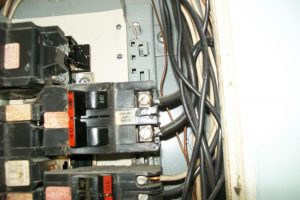
Is Aluminum Wiring Common in Austin Homes?
Aluminum branch-circuit wiring was used in many Texas homes built between 1965 and 1974. It was installed as a cheaper alternative during a period when copper prices surged. Today, it’s considered a safety concern because of how it behaves at electrical connections.
Why Aluminum Wiring Can Be a Safety Concern
Aluminum expands and contracts more than copper when it heats and cools. Over time this movement can cause: Loose connections Overheating at outlets or switches Possible arcing Fire hazards if not corrected Corrosion (especially where aluminum meets copper) can further increase resistance and heat buildup.
How to Tell if a Home Has Aluminum Wiring
A licensed electrician or qualified inspector looks for: “AL” or “ALUMINUM” markings on the wiring Aluminum conductors connected to older outlets or switches Multi-strand aluminum conductors entering the panel Aluminum wiring itself isn’t automatically unsafe but the connections are the issue.
What Are the Repair Options?
The Consumer Product Safety Commission has a very informative article on aluminum correction. Homeowners typically have three choices: 1. COPALUM Crimping (Best Long-Term Fix) A special crimp and sleeve installed at every connection. Very reliable but requires a certified electrician. 2. AlumiConn Connectors (Most Common Repair Today) A safer, widely accepted retrofit option when installed properly. 3. Full Rewire (Most Expensive) Rarely done unless major renovations are already planned.
Is Aluminum Wiring an Automatic Dealbreaker?
Not usually. Many Austin homes still contain aluminum wiring, and when repaired correctly, it can be made much safer. The key is simply identifying it and budgeting the proper correction.
What I Do as Part of Your Home Inspection During your inspection:
I look for aluminum circuits in the panel on every home inspection in Austin. Check outlet and switch types Look for overheating signs Recommend next steps based on the home’s age and layout.
Final Thoughts
Aluminum wiring is a known issue from a very specific period of construction. It’s not about alarm it’s about awareness and knowing the recommended correction options.